Environment— Feature
The Quota Meeting
Fishing quotas are set annually in a room most fishers will never enter. Veyra sat outside one for eleven hours and spoke to the people on both sides of the door.
Environment— Photo Essay
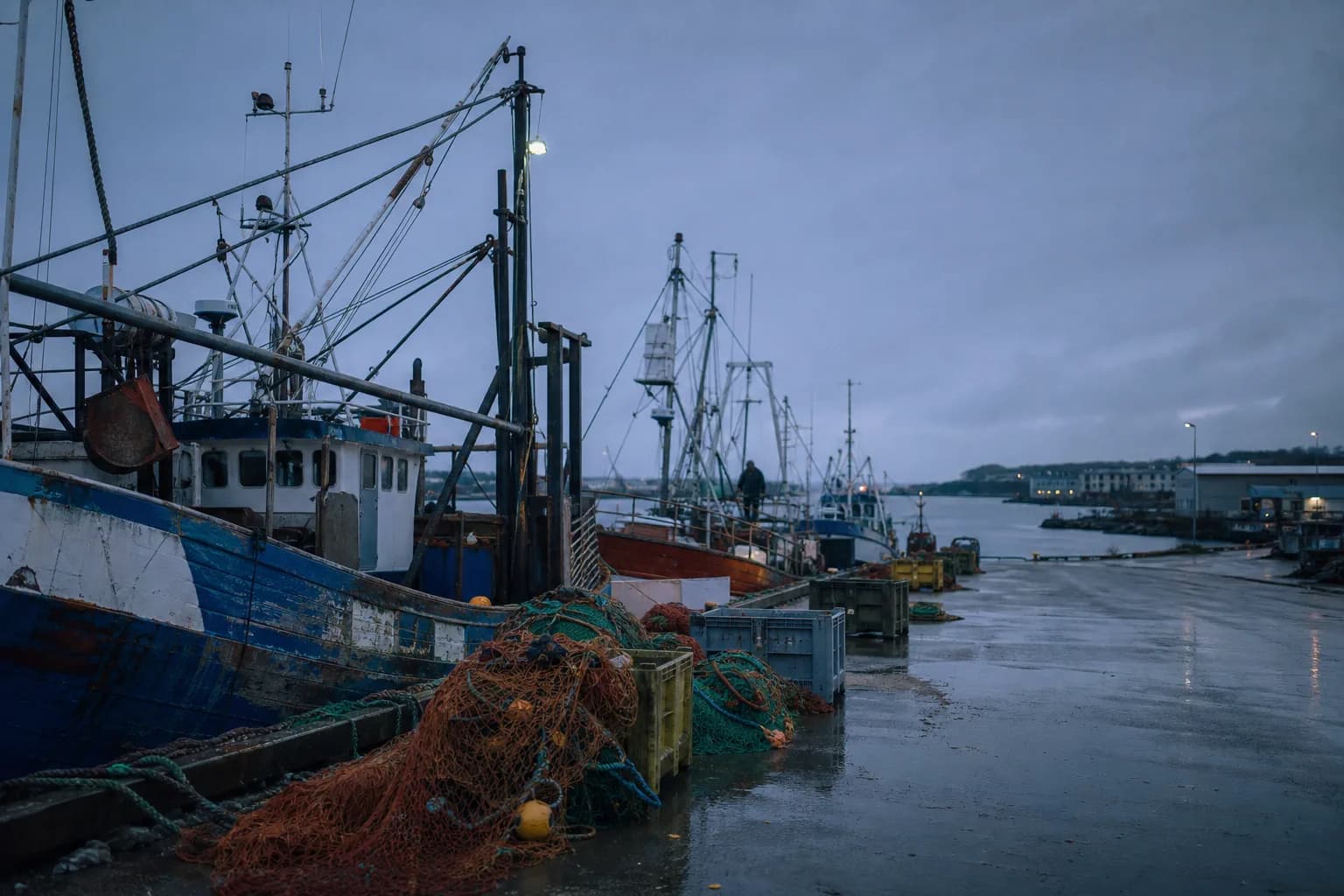
A photo essay made across one winter at a working cargo harbor, at the hours when the work is visible and the light is not.
Gothenburg —
I photographed this harbor across four months, always at the same two hours: the change of shift at six in the morning and again at two in the afternoon. In a northern winter those hours are almost the same light — a long, flat, blue interval that lasts about forty minutes and then is gone.
The constraint was the point. Returning to one place at fixed hours removes the temptation to look for a striking picture and leaves you with what is actually happening, which is mostly people waiting for machinery.
You do not photograph a port. You photograph forty minutes of it, ninety times, and then you have a port.
What changed across the four months was not the harbor. It was how much of it I could see. In November I photographed machines. By February I was photographing the twenty seconds before a container lands, which everyone on the quay watches and nobody discusses.
The port handles roughly the same tonnage now with about a third of the workforce it had in 1990. Every person I photographed knew that figure. Several of them told it to me unprompted, in the same flat tone, as a fact about the weather.
Staff Photographer
Teodor Brandt shoots most of Veyra’s photo essays and roughly half its features. The working method is slow and repetitive: return to the same location across a season, on film, until the place stops performing. Brandt’s series on Atlantic port labor ran across four issues and remains the magazine’s most requested archive piece.
Keep reading
Fishing quotas are set annually in a room most fishers will never enter. Veyra sat outside one for eleven hours and spoke to the people on both sides of the door.
Saltwater intrusion is measurable, predictable, and largely unmonitored at the depth where it matters. What three well fields reveal about the gap.
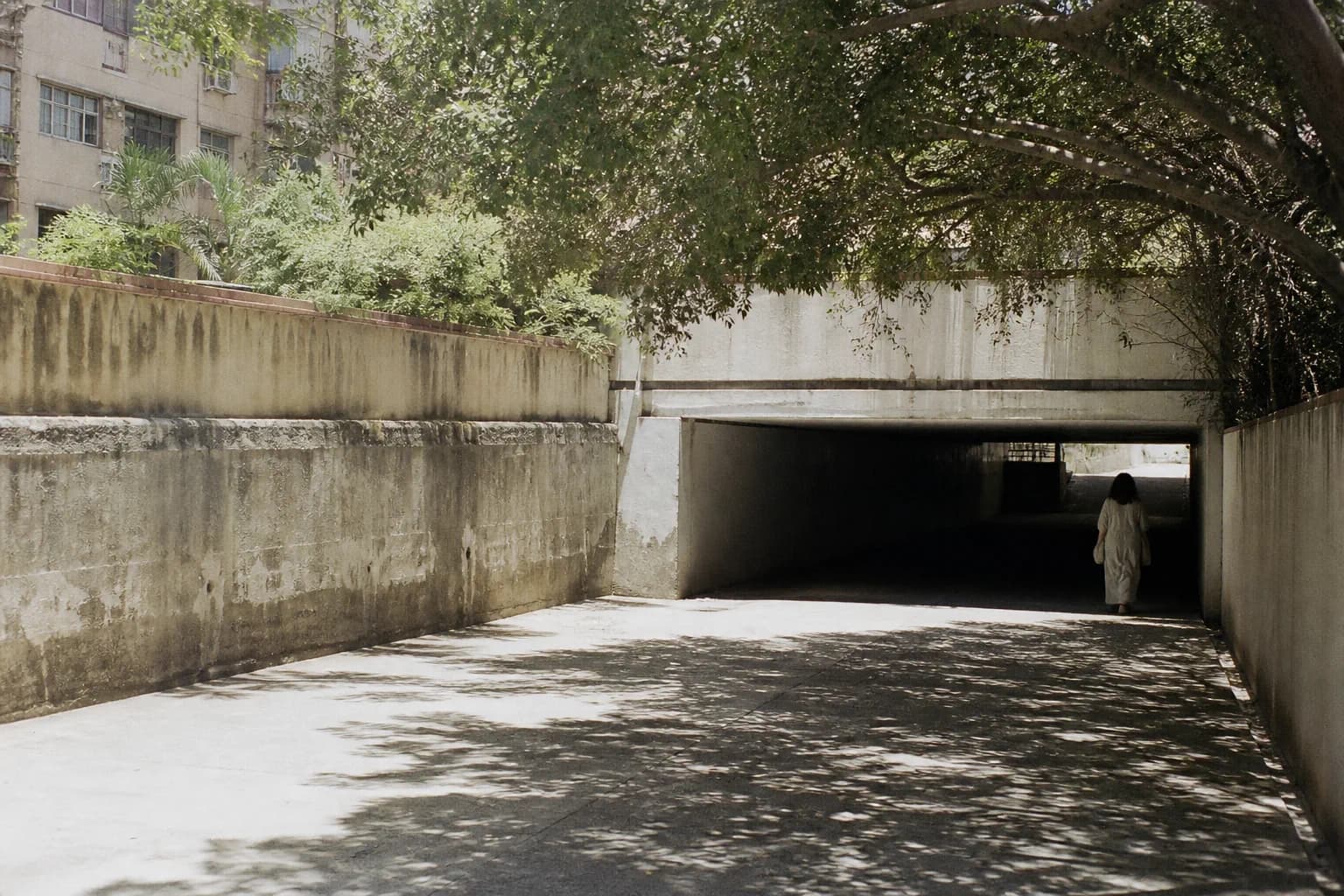
Shade has never appeared on a municipal asset register. A handful of cities are now mapping it street by street, and discovering how unevenly it is distributed.
The Dispatch
Not a digest. One piece from the archive or the week ahead, with a note from the editor on why it was worth the reporting time.