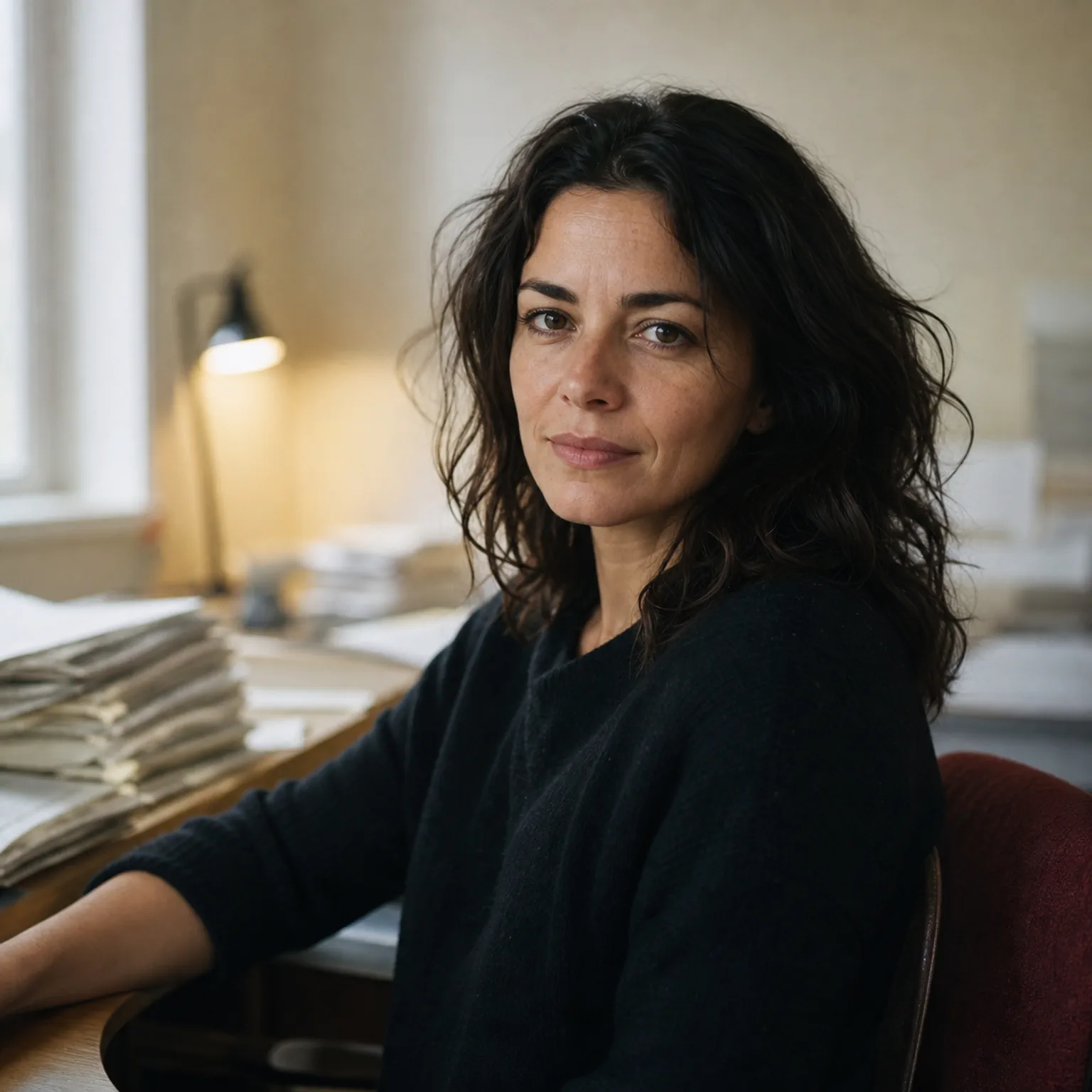
Inés Marchetti
Founded Veyra in 2016 and still edits the longest stories.
About Veyra
Veyra publishes reported features, essays, interviews, and visual journalism about culture, technology, cities, science, and the forces reshaping ordinary life. We publish roughly forty pieces a year, which is deliberately not very many.
Masthead
Brooklyn
Europe desk
Lisbon
East Africa desk
Nairobi
Asia desk
Singapore
Veyra covers seven standing sections, but the section a story belongs to is usually the least interesting thing about it. What the pieces have in common is a preference for the specific over the general: one drain crew rather than a report on urban flooding, one rent ledger rather than a housing overview.
We commission for the reporting, not the topic. If a story cannot be reported — if there is nobody to talk to and nothing to look at — it is an opinion, and we publish very few of those.
Veyra is supported by reader subscriptions, a small number of institutional memberships, and two multi-year grants for the environment desk. We do not carry advertising, sponsored content, or affiliate links, and we do not sell reader data because we do not collect any worth selling.
Funders have no role in commissioning, editing, or scheduling. Where a grant supports a beat, that support is disclosed at the foot of every story it funds.
Every factual claim in a Veyra feature is confirmed by two independent sources or removed. Subjects are told what a story will say about them before it publishes. Corrections are made at the top of the piece, dated, and never quietly.
Our full editorial standards, including our approach to anonymity, are published in the open.
History
Inés Marchetti and three colleagues publish the first Veyra feature — a nine-thousand-word piece about a municipal archive — from a rented desk in Brooklyn.
The East Africa desk opens in Nairobi under Adeyemi Oduya. The magazine adopts its two-source standard, still in force.
Reader subscriptions overtake grant funding as Veyra’s largest revenue source for the first time.
The cover plate system replaces stock photography across the archive, designed by Santiago Vela.
Veyra publishes from four desks with eleven people on the masthead, and has never run a sponsored story.
Who decides
Founded Veyra in 2016 and still edits the longest stories.
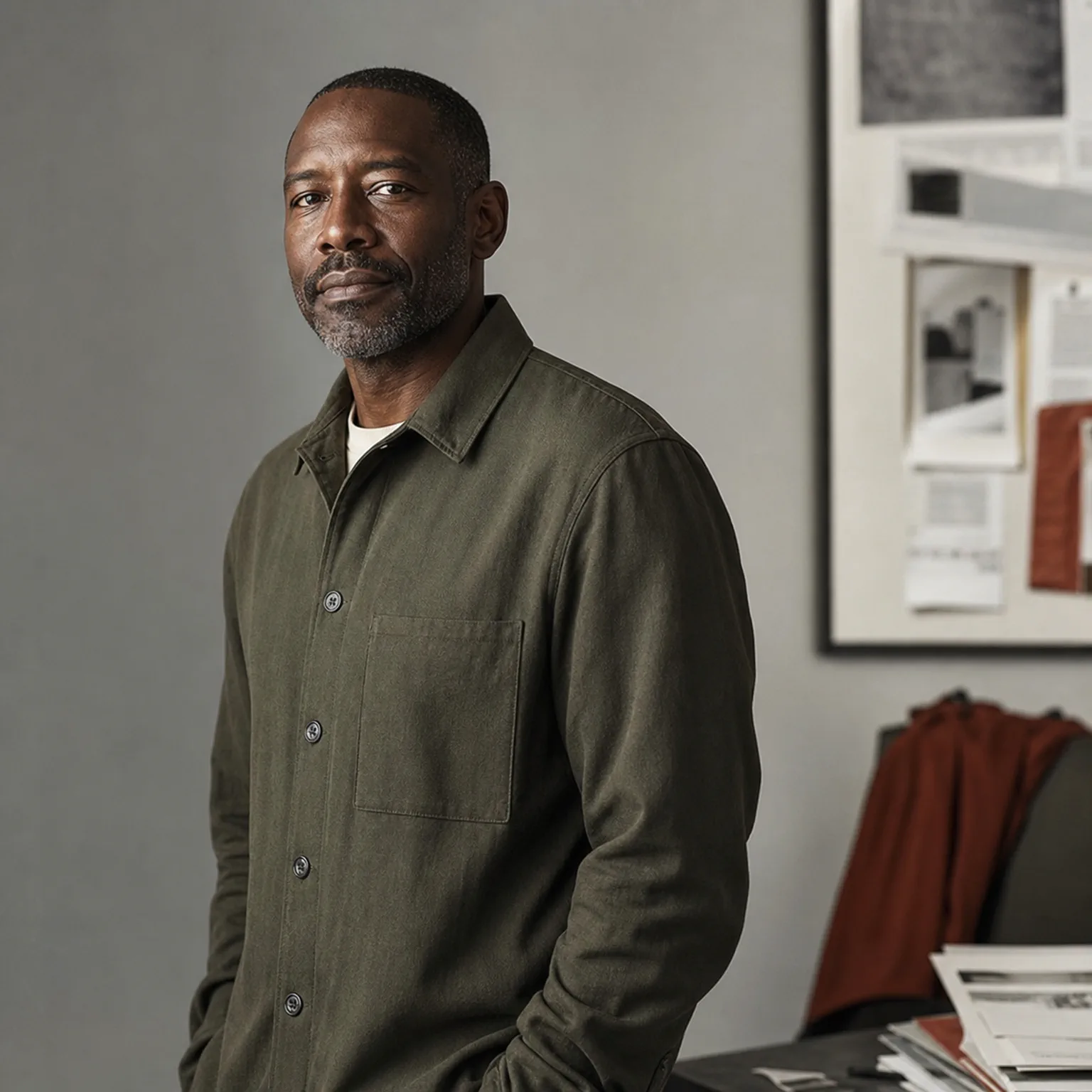
Runs the East Africa desk and the magazine’s standards process.
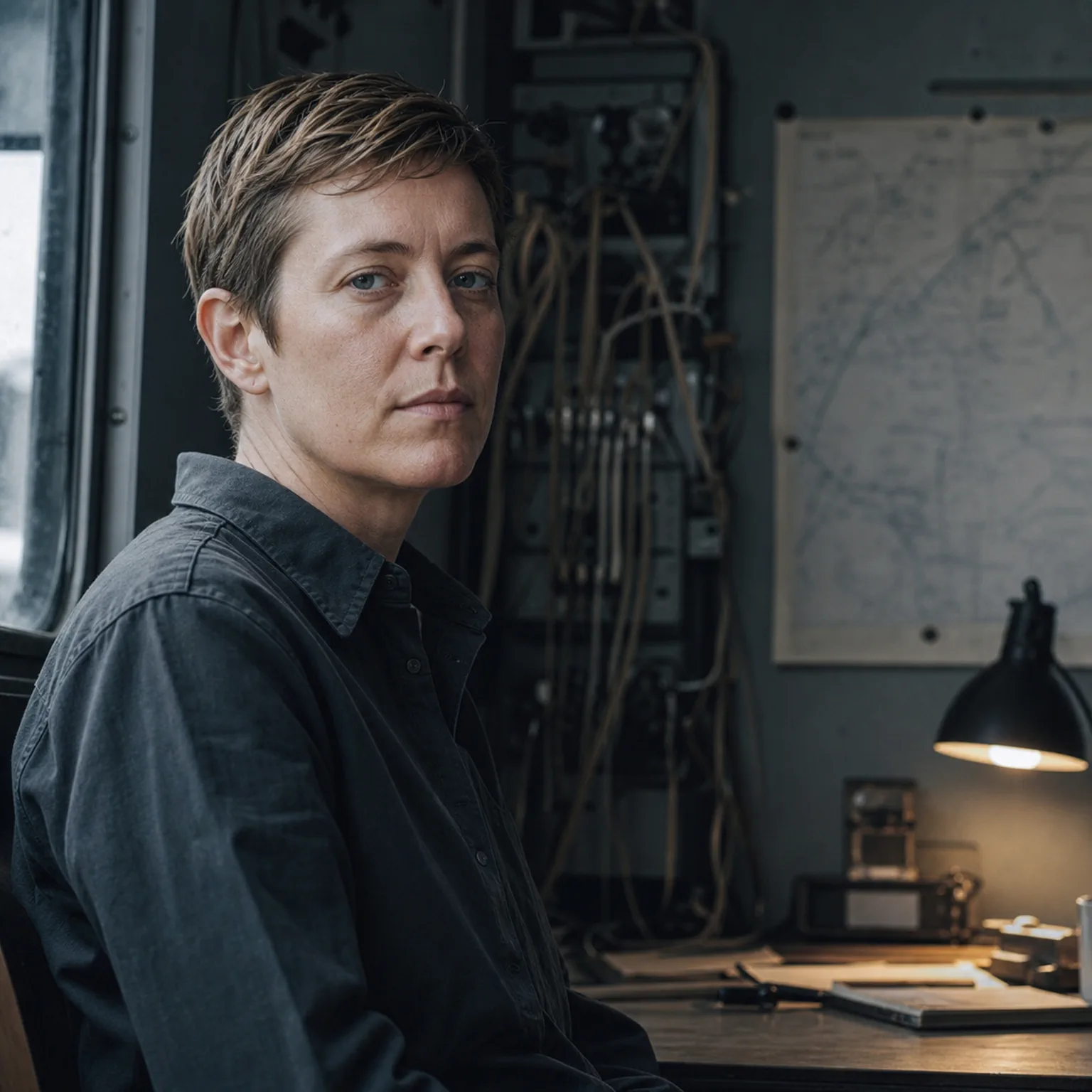
Writes about the infrastructure that decides things on everyone’s behalf.
The Dispatch
Not a digest. One piece from the archive or the week ahead, with a note from the editor on why it was worth the reporting time.