Environment— Report
Saltwater in the Well Field
Saltwater intrusion is measurable, predictable, and largely unmonitored at the depth where it matters. What three well fields reveal about the gap.
Environment— Feature
Eleven hours in a conference room decide the year for four thousand people who have never been in it. A feature on how fishing limits are actually set.
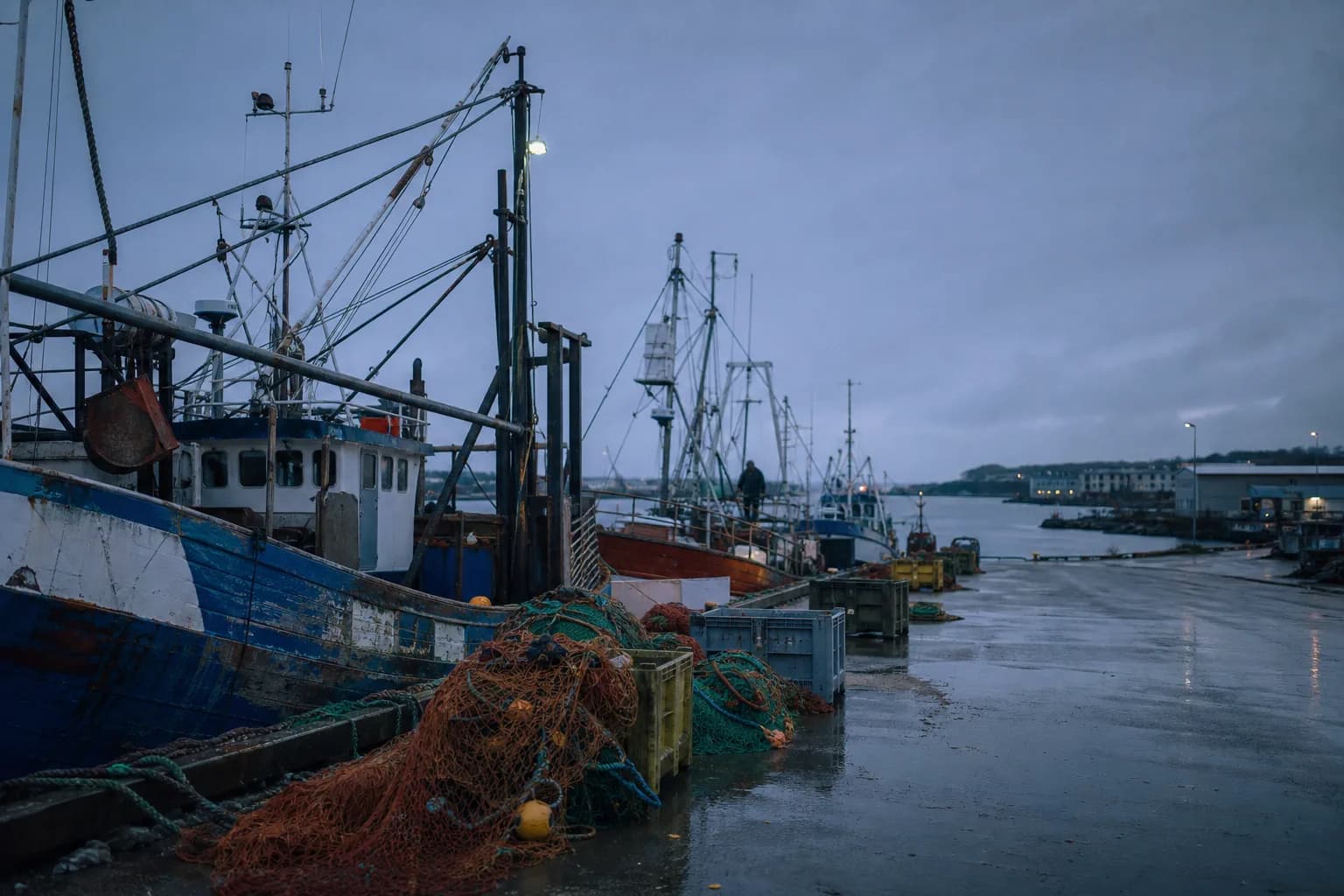
Gothenburg —
The meeting began at nine in the morning and finished at eight in the evening. There were sandwiches at one and again at six. By the end of it, the total allowable catch for the following year had moved by four percentage points from the opening position, and the difference between those two numbers was, for several coastal communities, the difference between a viable season and a difficult one.
I was not in the room. Almost nobody is. I spent the day in the building’s café with three people who had a great deal riding on it and no way to influence it, which turns out to be a reasonable vantage point.
The scientific advice comes first, produced by a working group over the preceding months from survey data, landings records, and stock models. It arrives as a range with an explicitly stated uncertainty, and it is, by every account I have heard across six years of covering this, treated seriously.
The second kind of evidence is socioeconomic, and it has no comparable machinery. It arrives as position papers, as national delegations describing what a given figure would mean for their ports, and as arguments that are entirely legitimate and structurally unable to be quantified in the same units as the first kind.
The biology has a number and a confidence interval. My town has a story. Guess which one loses in the eleventh hour.
Marika Ehrensvärd fishes a nine-meter boat and has done for nineteen years. Her position is not the one an outsider might expect. She is not arguing for a higher quota. She has argued, consistently and unsuccessfully, for a differently distributed one.
Quota is allocated to member states and then within them, usually on the basis of historical landings. That method is administratively clean and has a compounding effect: whoever landed the most in the reference period holds the most now, and the reference period was chosen decades ago.
There is more consensus than the public argument suggests. Every fisher I spoke to, including those who dispute specific figures, accepted that limits are necessary. Nobody nostalgically wants the unregulated period; several had lived through the collapse that ended it.
The dispute is not about whether there should be a number. It is about who holds the right to fish against it, and that question is not on the agenda of the meeting that runs for eleven hours, because it was settled in the 1980s and reopening it would be extremely difficult.
Ehrensvärd was philosophical about this in a way that took me some time to understand. “They will get the biology right eventually,” she said. “The fish will be there. There just will not be anybody in this harbor left to catch them, and that will not show up as a failure in anybody’s report.”
Environment Correspondent
Hanna Lindqvist reports on the North Atlantic and Baltic — fishing quotas, port infrastructure, offshore energy, and the towns whose entire employment picture depends on decisions made three jurisdictions away. Lindqvist has filed from every commercial harbor on the Swedish west coast and can identify most of them by the sound of the loading gear.
Keep reading
Saltwater intrusion is measurable, predictable, and largely unmonitored at the depth where it matters. What three well fields reveal about the gap.
Four months at a working harbor, photographed at shift changes. A study of labor, weather, and the particular light of a northern winter.
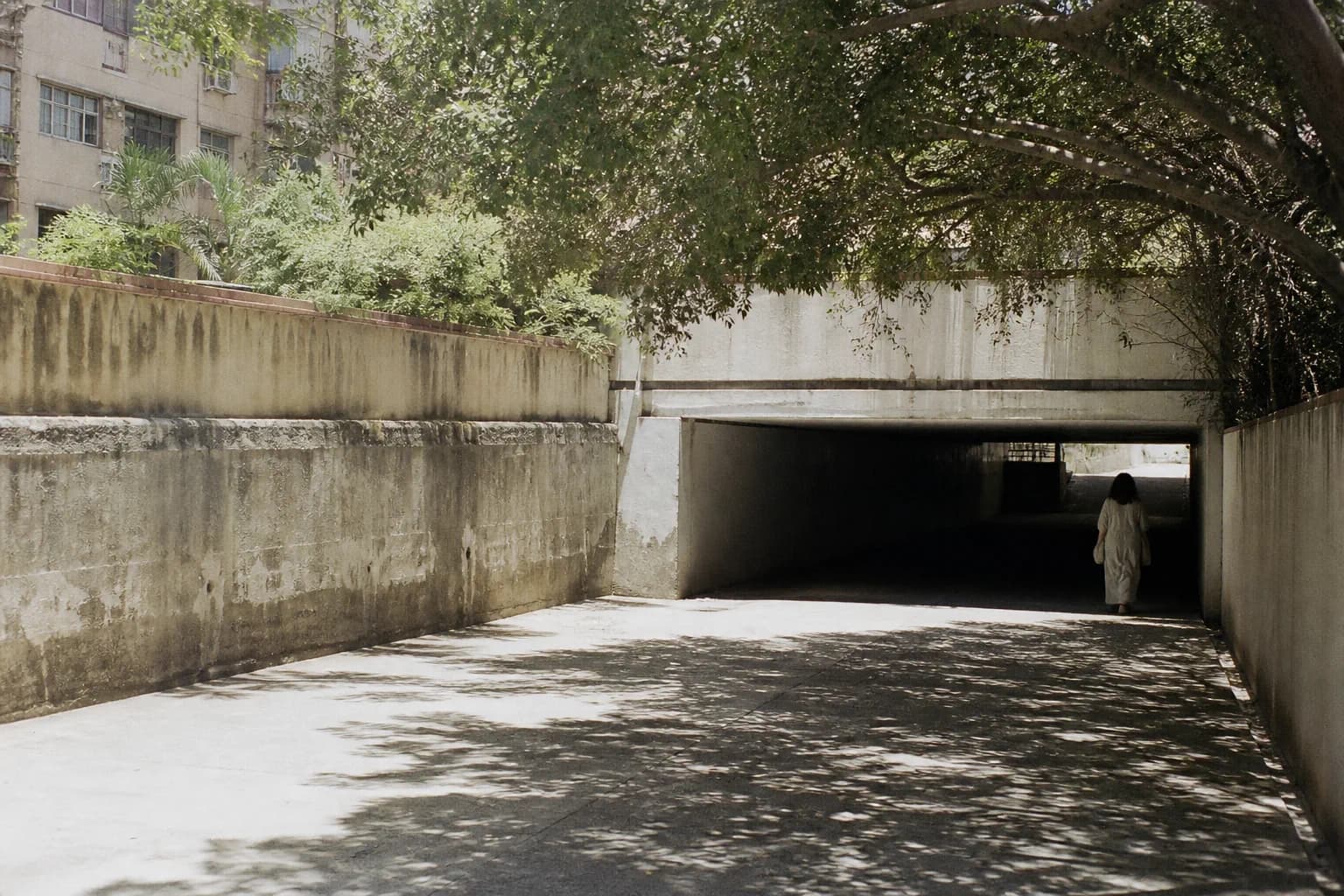
Shade has never appeared on a municipal asset register. A handful of cities are now mapping it street by street, and discovering how unevenly it is distributed.
The Dispatch
Not a digest. One piece from the archive or the week ahead, with a note from the editor on why it was worth the reporting time.